
GOAT AMRs for FMCG plants
FMCG AMRs for packaging supply, end-of-line pallets and dispatch
Why FMCG plants choose GOAT AMRs
FMCG operations depend on continuous movement of goods with minimal delays. GOAT Robotics helps FMCG manufacturers and distributors automate repetitive transport across production, storage and dispatch zones.
GOAT AMRs handle high-frequency material movement with consistency and precision, reducing human error and physical strain. Automation keeps goods flowing during demand surges, promotions and seasonal spikes — improving throughput, reducing handling damage and keeping supply to market consistent.
- Continuous high-speed material movement
- Fewer handling errors and losses
- Better inventory flow and turnover
- Stable operations during demand spikes
How GOAT AMRs transform FMCG material flow
FMCG lines run fast and around the clock, so any delay in packaging material or pallet removal costs output. Here is how the flow from packaging stores to dispatch runs with GOAT AMRs.
- 01
Packaging material to lines
Today
Lines wait for film, cartons and labels while forklifts are busy elsewhere.
With GOAT AMRs
GT-Sense fill-level sensors or a GT-Button call for packaging material before it runs out, and a GOAT GT Series or GTX AMR delivers it to the line.
GT Series - 02
End-of-line pallets
Today
Wrapped pallets queue at the palletiser until a forklift driver is free.
With GOAT AMRs
GOAT GT-XP pallet AMRs pick up each wrapped pallet at the end of the line and take it to staging or the warehouse.
GT-XP - 03
Breaks, shift changes and peaks
Today
Output drops at shift change and during promotions or festive peaks, when staff are stretched.
With GOAT AMRs
GOAT AMRs keep running through breaks and shift changes, and more robots join the fleet in GT Studio for peak season.
GTX Series - 04
Warehouse to dispatch
Today
Order staging depends on forklift availability, and dock schedules slip.
With GOAT AMRs
GOAT AMRs stage orders by dock and route from WMS signals, ready for loading; GOAT GT-XT tow robots pull several carts to the dock at once.
GT-XT
What to measure after go-live
- Line stoppages for packaging material
- Pallet waiting time at end of line
- Output at shift change
- Forklift hours per shift
- Dock-staging time per truck
GT Studio logs every GOAT AMR mission, so these figures come from the fleet system rather than spot checks.
FMCG workflows GOAT AMRs automate
Packaging line supply
GOAT AMRs keep packaging materials flowing to lines and clear finished cases.
Pallet movement to dispatch
GT-XP moves finished pallets from end-of-line to staging and dispatch.
Kitting and repacking
GT Series carries bins and totes between kitting and repacking stations.
GOAT AMR applications for FMCG: pallet transport, tugger trains, inbound & outbound, bin & tote transport
Recommended GOAT AMRs for FMCG plants
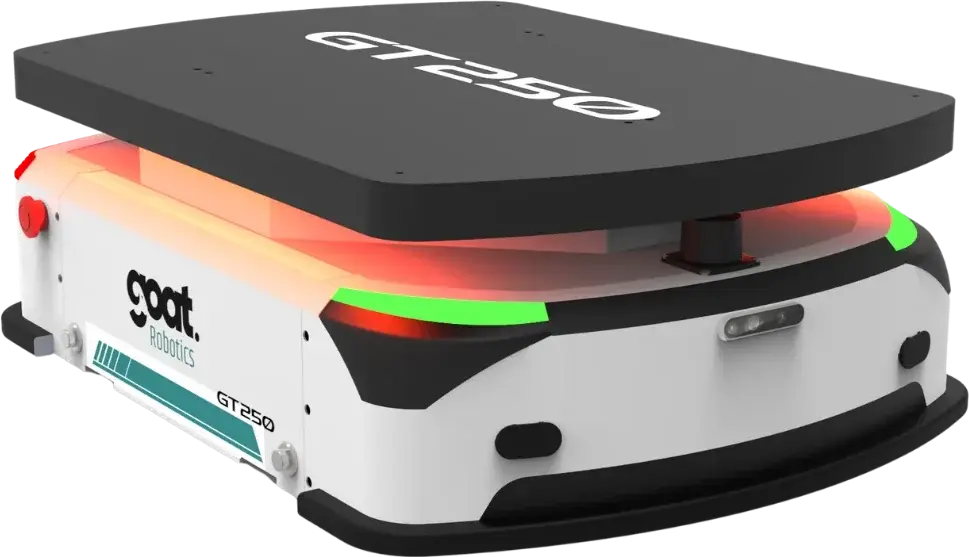
GT Series
Intralogistics AMRs
100–400 kg
Compact autonomous mobile robots for continuous material movement — bins, totes, racks and WIP — across shop floors and warehouses.
View GT Series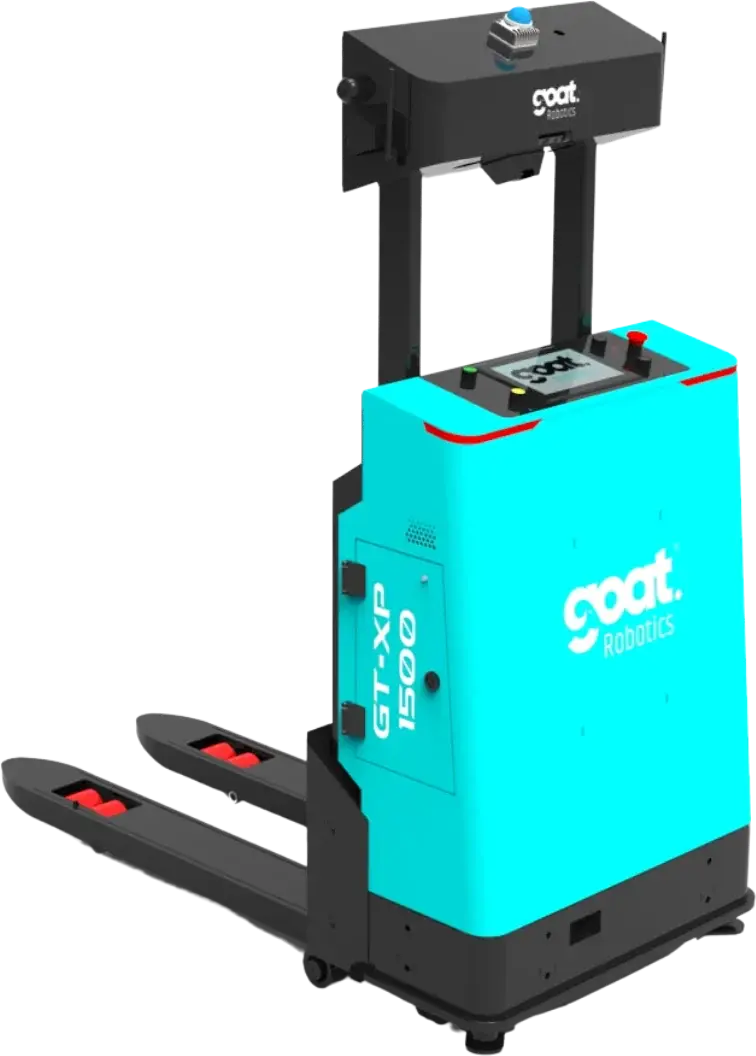
GT-XP
Autonomous pallet AMR
1,500 kg
Automated pallet pick-up, transport and drop-off — replacing repetitive forklift trips in factories and warehouses.
View GT-XP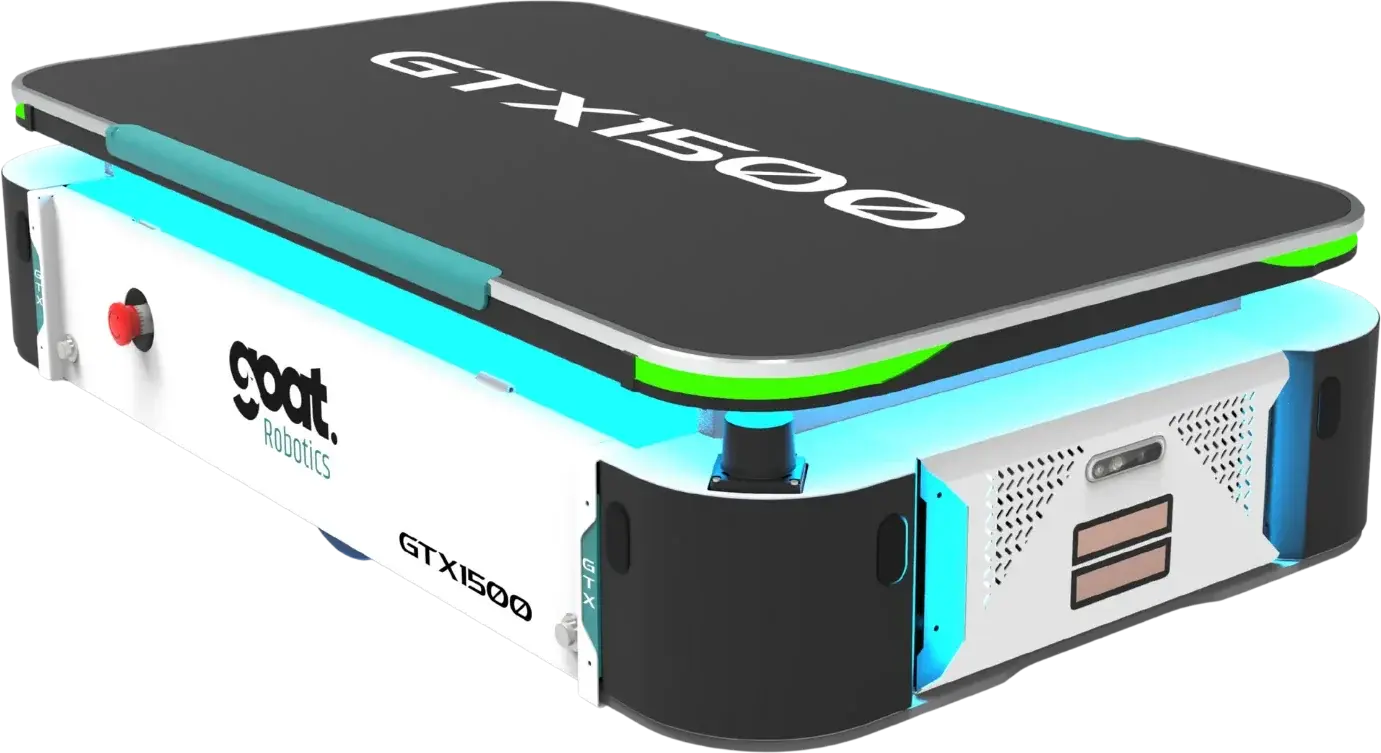
GTX Series
Industrial AMRs
500–2,000 kg
High-capacity autonomous mobile robots that move pallets, racks and heavy industrial loads up to 2 tonnes — without forklifts.
View GTX Series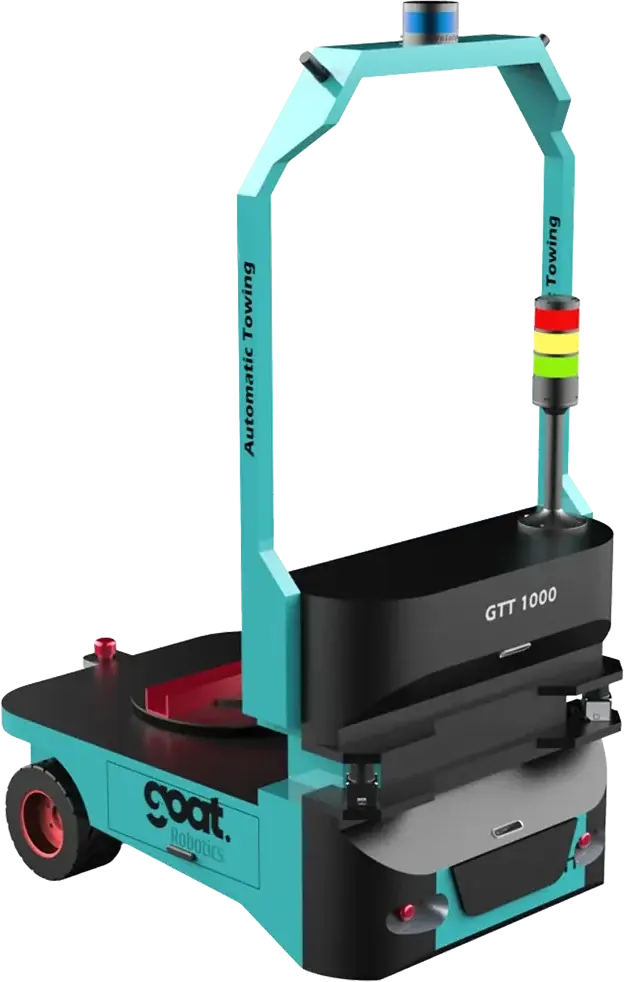
GT-XT
Autonomous tow robot
1,000 kg
An autonomous tugger that pulls trains of carts and trolleys, indoors and outdoors — batch material movement over long distances without lift-based AMRs.
View GT-XT


FMCG AMR FAQs
Can AMRs keep up with seasonal peaks?
Yes. Fleets scale by adding robots in GT Studio without new infrastructure, and task orchestration balances work across the fleet during peaks.
Which robot moves finished pallets?
GT-XP is purpose-built for pallet pick-up, transport and drop-off up to 1,500 kg. GTX Series and GT-L Series carry pallets on top-module interfaces.
GOAT AMRs for other industries


Automate FMCG material movement with GOAT AMRs
We bring a robot and an engineer to your site. Tell us what you move, how far and how often, and we’ll recommend the right robot and fleet size.